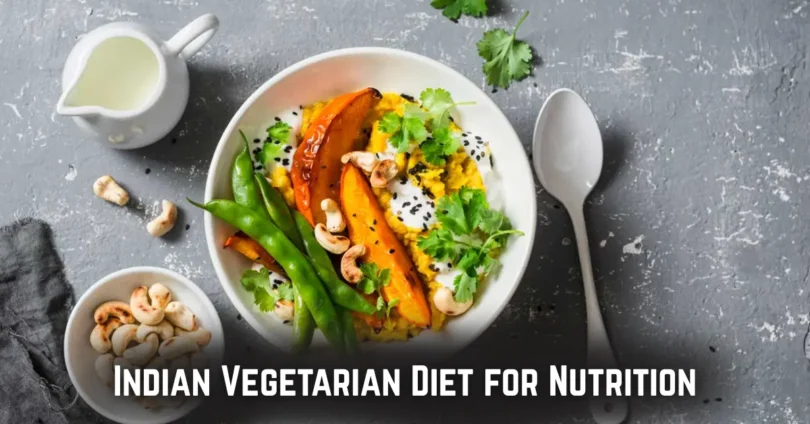
The Indian vegetarian diet for nutrition is a balanced and healthy way to eat that focuses on plant-based foods. It includes a variety of fresh vegetables, fruits, whole grains, legumes, and dairy products, which provide essential nutrients for the body. Many people choose this diet not only for its health benefits but also for its ability to help prevent certain diseases and promote overall wellness.
The Indian vegetarian diet for nutrition is rich in fiber, vitamins, and minerals that support your body’s needs. Whether you’re looking to improve heart health, maintain a healthy weight, or simply eat more mindfully, this diet offers a wide range of tasty and nutritious options to fuel your day.
What is the Indian Vegetarian Diet for Nutrition?
The Indian vegetarian diet for nutrition is a plant-based eating plan that excludes meat, fish, and eggs. It focuses on natural, whole foods that provide a wide range of nutrients for a healthy lifestyle. This diet is rich in vitamins, minerals, and fiber, making it an excellent choice for overall health and well-being.
Key Components of the Indian Vegetarian Diet for Nutrition:
- Lentils and Legumes
- These are the primary sources of protein in an Indian vegetarian diet.
- Examples include dal (lentils), chickpeas, kidney beans, and black beans.
- They are rich in protein, fiber, and essential minerals like iron.
- Vegetables and Fruits
- Vegetables are a cornerstone of this diet, providing vital nutrients and antioxidants.
- Common vegetables include spinach, cauliflower, carrots, and tomatoes.
- Fruits like mangoes, bananas, and apples are also important for vitamins and hydration.
- Whole Grains
- Grains like rice, wheat, and millet are used in various forms like roti, chapati, and pulao.
- Whole grains provide a good source of carbohydrates and fiber, which support digestion and energy levels.
- Dairy Products
- Dairy is often included in the Indian vegetarian diet, providing calcium, protein, and vitamins.
- Popular dairy items are milk, yogurt (curd), paneer (cottage cheese), and ghee (clarified butter).
- Spices and Herbs
- Indian cuisine is known for its use of aromatic spices like turmeric, cumin, coriander, and garam masala.
- These spices not only add flavor but also provide anti-inflammatory and antioxidant benefits.
Essential Nutrients in an Indian Vegetarian Diet for Nutrition
An Indian vegetarian diet for nutrition provides a wide range of essential nutrients. From plant-based protein to vitamins and healthy fats, this diet supports overall health and well-being. Here’s a breakdown of key nutrients found in this diet:
Protein Sources
- Lentils and Legumes: These are the main sources of protein, essential for muscle growth and repair. Common examples include dal, chickpeas, and kidney beans.
- Tofu and Tempeh: These soy-based products are great protein alternatives and also provide iron and calcium.
- Paneer (Cottage Cheese): A rich source of protein and calcium, commonly used in Indian dishes like paneer tikka and saag paneer.
Vitamins and Minerals
- Iron: Found in lentils, spinach, and fortified cereals, iron helps transport oxygen in the blood. Combining iron-rich foods with vitamin C (like lemon or tomatoes) helps improve absorption.
- Calcium: Dairy products like milk, yogurt, and paneer provide calcium, which is important for bone health. Leafy greens like kale and broccoli also offer calcium.
- Vitamin B12: This vitamin is important for nerve function and is often lacking in a vegetarian diet. It can be found in fortified foods like plant milks, cereals, and nutritional yeast.
Healthy Fats
- Nuts and Seeds: Almonds, walnuts, chia seeds, and flaxseeds are excellent sources of healthy fats, including omega-3 fatty acids. These fats support brain health and heart function.
- Oils: Healthy oils like olive oil, mustard oil, and coconut oil provide good fats that help with nutrient absorption and overall health.
- Avocados: Another great source of healthy fats, avocados are rich in monounsaturated fats, which are good for heart health.
Health Benefits of the Indian Vegetarian Diet for Nutrition
The Indian vegetarian diet for nutrition is known for its positive impact on health. By focusing on plant-based foods, it provides numerous health benefits, including better heart health, weight management, and disease prevention. Here are the key health benefits:
Heart Health
- The diet is rich in fiber, which helps lower cholesterol levels and improve heart function.
- Healthy fats from nuts, seeds, and oils, such as omega-3 fatty acids, reduce the risk of heart disease.
- Foods like fruits, vegetables, and whole grains provide antioxidants that protect the heart from inflammation and damage.
Weight Management
- The Indian vegetarian diet is naturally low in calories and high in fiber, which helps with weight control and keeps you feeling full longer.
- Whole grains, legumes, and vegetables are nutrient-dense, making it easier to maintain a healthy weight without feeling deprived.
- The diet’s high fiber content aids in digestion, which can support healthy weight loss or maintenance.
Digestive Health
- A fiber-rich diet promotes regular bowel movements and prevents constipation.
- Plant-based foods like vegetables, fruits, and legumes are great for maintaining a healthy gut microbiome, which supports digestion.
- Spices like ginger and turmeric, commonly used in Indian cooking, have anti-inflammatory properties that soothe the digestive system.
Disease Prevention
- Lower Risk of Cancer: Antioxidants found in fruits and vegetables, such as vitamin C and flavonoids, may help protect cells from cancer-causing free radicals.
- Reduced Risk of Diabetes: The diet’s high fiber content helps regulate blood sugar levels, reducing the risk of type 2 diabetes.
- Better Immune Function: A diet rich in vitamins and minerals supports a strong immune system, helping the body fight off infections.
Common Foods in the Indian Vegetarian Diet for Nutrition
The Indian vegetarian diet for nutrition includes a variety of foods that are not only delicious but also packed with essential nutrients. Here’s a list of some common foods and how they contribute to a healthy diet:
Dal (Lentils)
- Dal is a staple in the Indian vegetarian diet and provides a rich source of protein, essential for muscle repair and growth.
- It is high in fiber, which aids digestion and promotes gut health.
- Lentils are packed with iron, which helps in the formation of red blood cells and prevents anemia.
Sabzi (Vegetable Dishes)
- Sabzi refers to cooked vegetables, and these dishes are often made with a variety of nutrient-dense veggies like spinach, cauliflower, and carrots.
- Vegetables are loaded with vitamins, minerals, and antioxidants that support immune health and overall well-being.
- The diversity of vegetables used in sabzi ensures a wide range of nutrients, from Vitamin A in carrots to Vitamin C in bell peppers.
Chapati (Whole Wheat Flatbread)
- Chapati is a whole wheat flatbread that provides complex carbohydrates for sustained energy throughout the day.
- It is a good source of fiber, which aids digestion and helps maintain healthy blood sugar levels.
- Whole wheat chapatis are rich in B-vitamins, which are essential for energy metabolism.
Rice
- Rice, especially brown rice, is a common carbohydrate source in the Indian diet, providing energy and essential nutrients.
- Brown rice contains fiber, which supports digestion and helps in regulating blood sugar.
- It is also rich in minerals like magnesium, which is important for bone health and muscle function.
Curd (Yogurt)
- Curd is a natural probiotic, promoting good gut health by supporting the growth of beneficial bacteria.
- It is rich in calcium, which helps strengthen bones and teeth.
- Yogurt also provides protein, and its creamy texture makes it a delicious addition to meals.
A Sample Meal Plan for an Indian Vegetarian Diet for Nutrition
A balanced Indian vegetarian diet for nutrition includes a variety of foods that provide the necessary macronutrients (protein, carbohydrates, fats) and micronutrients (vitamins, minerals) for overall health. Here’s a sample meal plan to guide your daily nutrition:
Breakfast
- Vegetable Poha: Flattened rice cooked with vegetables like peas, carrots, and potatoes, topped with peanuts.
- Provides complex carbs for energy and fiber for digestion.
- Packed with vitamins A and C from vegetables like carrots and peas.
- Fresh Fruit: A banana or an apple.
- Offers vitamins, antioxidants, and fiber for a healthy start to the day.
Lunch
- Dal (Lentils): A bowl of dal (e.g., toor dal or masoor dal) served with rice or chapati.
- Provides plant-based protein and iron, essential for muscle repair and blood health.
- High in fiber to support digestion and keep you full.
- Sabzi (Vegetable Dish): A side of mixed vegetable sabzi (e.g., bhindi, aloo-gobhi).
- Rich in vitamins, minerals, and antioxidants that boost immune function and overall health.
- Adds variety and flavor to the meal, making it more enjoyable.
- Cucumber Raita (Yogurt): Curd mixed with grated cucumber and spices.
- Offers probiotics for gut health and calcium for strong bones.
Dinner
- Chapati (Whole Wheat): A couple of whole wheat chapatis served with curry or vegetable stew.
- Provides complex carbohydrates and fiber for sustained energy and digestion.
- Rich in B-vitamins that support metabolism.
- Paneer (Cottage Cheese) Curry: A light curry made with paneer, tomatoes, and spices.
- A great source of protein and calcium to support muscle health and strong bones.
- Contains healthy fats that promote heart health.
Snacks
- Roasted Chana (Chickpeas): A handful of roasted chickpeas with a pinch of salt and spices.
- High in protein and fiber, making it a filling and nutritious snack.
- Provides iron and zinc for immune function.
- Nuts and Seeds: A small serving of almonds, walnuts, and sunflower seeds.
- Rich in healthy fats (omega-3), which are good for brain and heart health.
- Provides antioxidants and fiber, which support digestive health.
Tips to Ensure Complete Nutrition on an Indian Vegetarian Diet
To ensure that your Indian vegetarian diet for nutrition is complete and balanced, it’s important to combine foods wisely and include fortified options. These simple tips will help you meet all your nutritional needs.
Combining Foods for Complete Proteins
- Rice and Dal: Combining rice with dal (lentils) creates a complete protein, providing all the essential amino acids the body needs.
- Dal is rich in lysine, while rice provides methionine, making this combo a perfect protein source.
- Chapati and Sabzi: Eating whole wheat chapati with a vegetable dish can complement the protein from the chapati with the vitamins and minerals from the vegetables.
- This combination ensures a balanced intake of both carbohydrates and essential nutrients.
Using Fortified Foods to Get Vitamin B12 and Iron
- Fortified Plant Milks: Choose plant-based milks (almond, soy, or oat) that are fortified with Vitamin B12, which is typically found in animal products.
- B12 is crucial for nerve function and energy production, and fortification helps prevent deficiency.
- Iron-Rich Foods: Pair iron-rich plant foods (like spinach, lentils, and chickpeas) with Vitamin C-rich foods (like lemon or tomatoes).
- Vitamin C enhances the absorption of plant-based iron, helping you get the most from these foods.
- Fortified Breakfast Cereals: Many breakfast cereals are now fortified with both iron and Vitamin B12.
- This is a convenient way to boost your intake of these essential nutrients without animal products.
Conclusion
The Indian vegetarian diet for nutrition offers a rich variety of foods that provide all the essential nutrients your body needs. By combining plant-based proteins, including fortified foods, and eating a balanced mix of vegetables, grains, and dairy, you can enjoy a healthy, well-rounded diet.
With a little planning, this diet supports heart health, weight management, and disease prevention, helping you lead a healthier lifestyle.
FAQs on the Indian Vegetarian Diet for Nutrition
What is the Indian vegetarian diet?
The Indian vegetarian diet focuses on plant-based foods like vegetables, fruits, grains, lentils, and dairy products. It excludes meat, fish, and eggs.
Is the Indian vegetarian diet good for weight loss?
Yes, the Indian vegetarian diet is great for weight management. It’s rich in fiber, which helps you feel full and supports digestion, while being low in unhealthy fats.
How do I get enough protein in a vegetarian diet?
You can get plenty of protein from lentils, beans, tofu, paneer, and nuts. Combining different plant-based foods like rice and dal provides all the essential amino acids your body needs.
Do I need to take supplements on a vegetarian diet?
If you’re not getting enough Vitamin B12 (found mostly in animal products), consider fortified foods like plant milk or a B12 supplement. Iron and calcium are also important, so include fortified cereals or leafy greens in your diet.
Can I get all the nutrients I need from a vegetarian diet?
Yes, with careful planning, the Indian vegetarian diet provides all the nutrients your body needs, including protein, vitamins, and minerals. Just make sure to include a variety of foods and combine them wisely for a balanced diet.
What are some common vegetarian Indian dishes?
Some popular vegetarian Indian dishes include dal (lentils), sabzi (vegetable curry), chapati (whole wheat flatbread), and rice. These foods provide a healthy mix of nutrients.
Is the Indian vegetarian diet heart-healthy?
Yes, it is! The Indian vegetarian diet is rich in fiber, healthy fats (from nuts and seeds), and antioxidants from vegetables, all of which support heart health.