Minimalist Lifestyle Tips in India: Simple & Effective IdeasIn today’s fast-paced world, many people are seeking simplicity, and one way to achieve this is by embracing the minimalist lifestyle. “Minimalist lifestyle tips in India” are becoming more popular as people look for ways to reduce clutter and focus on what truly matters.
Whether it’s your home, wardrobe, or daily routines, adopting a minimalist lifestyle can help bring clarity and peace to your life. In this article, we’ll explore practical “minimalist lifestyle tips in India” that can make your life simpler and more fulfilling.
What is a Minimalist Lifestyle?
A minimalist lifestyle is about simplifying your life by focusing on what truly matters and removing distractions. It’s not just about owning fewer things, but about living with intention and purpose. Here’s a breakdown of its core principles:
Simplicity
- Minimalism encourages simplicity in all areas of life.
- You focus on having less to create more space for things that matter.
- It’s about removing excess to make room for quality and peace of mind.
Intentional Living
- Every choice you make should align with your values and goals.
- It’s about being mindful of how you spend your time, money, and energy.
- Intentional living helps you prioritize what brings happiness and fulfillment.
Focus on What Truly Matters
- Minimalism helps you identify what’s truly important in your life.
- It encourages you to spend more time with loved ones and less on material things.
- The goal is to nurture meaningful experiences over accumulating possessions.
Why Adopt a Minimalist Lifestyle in India?
Adopting a minimalist lifestyle in India has become more appealing due to various cultural, environmental, and economic factors. Here’s why minimalism is a great choice for many:
Cultural Shift Toward Simplicity
- In India, simplicity has always been valued in many cultures and traditions.
- Minimalism aligns with the idea of living with less attachment to material things, as seen in spiritual teachings like yoga and meditation.
- People are beginning to recognize the importance of mental peace over material possessions.
Environmental Concerns
- India faces significant environmental challenges, including pollution and waste management issues.
- Minimalism promotes sustainable living by encouraging less consumption and more eco-friendly choices.
- By reducing waste, minimalism helps lessen the environmental footprint and protect natural resources.
Economic Benefits
- The rising cost of living in many Indian cities makes minimalism a cost-effective choice.
- By purchasing fewer, more durable items, you can save money in the long run.
- Minimalism encourages budgeting and prioritizing needs over wants, which can help manage finances better.
Reduce Stress and Overwhelm
- Cluttered spaces and chaotic lifestyles can lead to stress and anxiety.
- A minimalist lifestyle can bring calm by reducing distractions and focusing on what truly matters.
- With fewer material possessions, the mind is freed to focus on personal growth, relationships, and well-being.
Minimalist Lifestyle Tips in India: Practical Ideas
Adopting a minimalist lifestyle involves making intentional choices to simplify various aspects of your life. Here are some practical tips to help you get started:
Declutter Your Space
- Start by identifying the items you use daily, and keep only those that add value to your life.
- Donate or sell items you no longer need, like old clothes, unused furniture, or gadgets.
- Organize your space into zones for better flow and functionality this will make it easier to maintain.
- A clutter-free home can lead to a more peaceful and productive environment.
Simplify Your Wardrobe
- Invest in quality, versatile pieces that can be mixed and matched for various occasions.
- Choose timeless items that never go out of style, reducing the need for constant updates.
- Focus on comfort and durability over trends, and aim for a wardrobe that fits your lifestyle.
- A smaller, well-curated wardrobe will save time, space, and money while reducing decision fatigue.
Reduce Digital Clutter
- Unsubscribe from unnecessary emails and organize your inbox into folders for easy access.
- Delete unused apps, files, and photos from your devices to free up space and reduce distractions.
- Set boundaries for social media use to prevent endless scrolling and focus on meaningful interactions.
- Streamline your digital life to save time and mental energy for more important activities.
Embrace Sustainable Choices
- Choose eco-friendly products like reusable bags, containers, and natural materials to reduce waste.
- Buy fewer but better-quality items that are built to last and contribute less to landfills.
- Support local, sustainable brands that prioritize the environment and ethical production.
- Sustainable living helps you align with minimalism while making a positive impact on the planet.
Adopt Simple Routines
- Create simple, mindful routines that promote balance and well-being, like meditation or journaling.
- Focus on establishing a morning or evening routine that helps you start or end your day peacefully.
- Prioritize activities that reduce stress and boost mental clarity, such as yoga or a walk in nature.
- A well-organized routine can help you maintain a minimalist lifestyle by minimizing unnecessary tasks.
Minimalist Home Ideas for Indian Homes
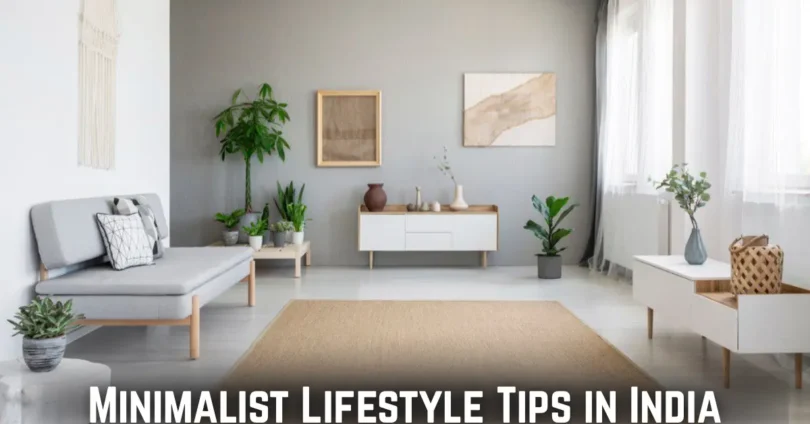
Decorating your home with a minimalist approach doesn’t mean sacrificing beauty or tradition. Here are some practical ideas to create a simple, stylish, and functional home while respecting Indian aesthetics:
Use Natural Materials
- Incorporate natural elements like wood, stone, and bamboo to create a warm and organic feel.
- Opt for terracotta, clay, or jute items, which are traditional and eco-friendly.
- Use natural fibers like cotton and linen for curtains, cushions, and upholstery.
- Natural materials not only look beautiful but also contribute to a sustainable and calming atmosphere.
Fewer Decorations, More Meaning
- Choose meaningful, simple décor pieces rather than cluttering your space with too many items.
- Use handcrafted Indian art, pottery, or textiles that hold cultural significance.
- Decorate with plants to add life to your home, using terracotta pots or wooden planters for a rustic feel.
- Let your décor be purposeful each item should have a story or purpose rather than just filling space.
Focus on Neutral Colors
- Stick to neutral tones like white, beige, grey, and earthy shades to create a calm and spacious look.
- You can add pops of color through textiles, cushions, or art pieces for a balanced yet lively atmosphere.
- These tones make rooms feel larger and more peaceful, and they complement Indian craftsmanship beautifully.
Embrace Open Spaces and Minimalist Layouts
- Keep the layout of your rooms open and uncluttered, with plenty of space to breathe.
- Use minimalist furniture arrangements that allow for movement and flexibility.
- Avoid heavy, bulky furniture and instead opt for clean lines and simple, sleek designs.
- A well-organized space feels peaceful and functional, creating harmony throughout your home.
Choose Multi-Functional Furniture
- Invest in furniture that serves more than one purpose, such as foldable dining tables or storage beds.
- Look for pieces like coffee tables with hidden storage or sofas that can transform into guest beds.
- Multi-functional furniture is perfect for Indian homes with limited space, helping to reduce clutter and maximize efficiency.
- It also aligns with the minimalist mindset, ensuring everything you own is practical and useful.
Minimalist Food and Cooking Tips
Adopting a minimalist approach to food doesn’t just simplify your kitchen it can also save time, reduce waste, and make meals more enjoyable. Here are some practical tips for simplifying your cooking and meal planning:
Plan Meals Simply with Seasonal Ingredients
- Focus on fresh, seasonal produce that is more affordable and nutritious.
- Seasonal ingredients are often tastier and more widely available, making meals easier to prepare.
- Plan meals around a few key ingredients that can be used in multiple dishes, reducing the need for complex recipes.
- This approach supports sustainable eating and cuts down on food waste.
Cook in Batches to Reduce Food Waste
- Prepare larger portions of meals and store them for later to minimize daily cooking time.
- Use leftovers creatively transform yesterday’s dinner into a lunch or snack the next day.
- Cooking in batches reduces the temptation to over-buy ingredients that may spoil before they’re used.
- It also helps reduce kitchen clutter and keeps your meal planning stress-free.
Keep Recipes Simple and Nutritious
- Stick to simple recipes that require few ingredients and minimal preparation.
- Choose dishes that focus on fresh vegetables, grains, and proteins, avoiding processed foods.
- Cook dishes that can be enjoyed in multiple ways (e.g., a vegetable curry that works with rice, bread, or as a soup).
- Simple, nutritious meals save time and energy while helping you maintain a healthy, balanced diet.
Use Multi-Purpose Kitchen Tools
- Invest in a few high-quality kitchen tools like a pressure cooker, blender, or slow cooker that can help prepare a variety of meals.
- These tools simplify cooking by reducing the need for multiple pots and pans.
- A versatile kitchen tool allows you to prepare everything from soups to stews and smoothies with less effort.
- Simplifying your cooking process with the right tools also saves valuable time and energy.
Financial Minimalism in India
Adopting financial minimalism in India is about simplifying your spending habits, cutting unnecessary expenses, and focusing on what truly adds value to your life. Here’s how you can make smarter financial decisions and prioritize experiences over material possessions:
Simplify Spending and Cut Unnecessary Expenses
- Start by tracking your expenses to understand where your money is going each month.
- Eliminate subscriptions and services you don’t use, like streaming platforms or gym memberships you don’t need.
- Opt for more affordable alternatives, like cooking at home instead of dining out frequently.
- Prioritize your needs over wants by making conscious decisions about purchases.
Budgeting and Saving Made Easy
- Create a simple budget by dividing your income into categories such as essentials, savings, and leisure.
- Set aside a percentage of your income for savings, making it a non-negotiable part of your monthly routine.
- Focus on building an emergency fund, which helps you avoid financial stress in times of uncertainty.
- Use digital tools or apps to track your spending, ensuring that you stay within your budget.
Invest in Experiences Over Material Possessions
- Experiences like travel, learning new skills, or spending quality time with family are often more fulfilling than material possessions.
- Shift your focus from buying things to creating lasting memories, which have a long-term emotional value.
- A vacation or a weekend getaway can provide more joy and personal growth than purchasing the latest gadget.
- Investing in experiences helps you live a richer, more meaningful life without the burden of unnecessary material goods.
Practice Mindful Consumption
- Before making any purchase, ask yourself if the item truly adds value to your life or if it’s an impulse buy.
- Focus on buying fewer but higher-quality items that will last longer, reducing the need for frequent replacements.
- Avoid the “keeping up with the Joneses” mentality by embracing contentment with what you already have.
- Mindful consumption not only saves money but also helps you align your purchases with your values.
Reevaluate Your Financial Goals Regularly
- Regularly review your financial goals to ensure they align with your minimalist values.
- Focus on long-term financial freedom rather than short-term gratification, which can lead to unnecessary spending.
- Plan for future goals like buying a home, retirement, or investing in education, and stay disciplined in your approach.
- Re-evaluating your goals keeps you focused on what’s important and helps you avoid wasteful spending.
Overcoming Challenges of Minimalism in India
While minimalism offers many benefits, it can also come with challenges, especially in a society where consumerism and material possessions are often highly valued. Here are some common obstacles you may face in India and practical advice on how to navigate them:
Societal Pressure to Have More
- Society often defines success by the amount of wealth or material possessions you have.
- There is a constant push to keep up with trends, buy the latest gadgets, and have a “perfect” lifestyle.
- Minimalism may sometimes be seen as a rejection of this mindset, which can feel isolating.
Practical Advice:
- Focus on the personal benefits of minimalism, like reduced stress, more time, and financial freedom.
- Surround yourself with like-minded individuals who appreciate a simpler lifestyle, whether online or in-person.
- Remind yourself that true success is about fulfillment, not the accumulation of things.
Family Traditions and Expectations
- In many Indian families, gifting and celebrating with material possessions are significant cultural practices.
- Parents and elders might not understand your desire to declutter or buy fewer things.
- You may feel obligated to participate in traditions that focus on abundance, such as lavish celebrations and gift-giving.
Practical Advice:
- Communicate your values clearly and respectfully with your family, explaining that you prefer meaningful experiences over material gifts.
- Consider gifting homemade items, shared experiences, or time spent together instead of material goods.
- Emphasize the joy of simplicity in family celebrations, focusing on togetherness rather than lavishness.
Fear of Missing Out (FOMO)
- The pressure to buy new products or follow the latest trends can make it difficult to embrace minimalism, especially with the rise of social media influencers.
- FOMO can make you feel like you’re missing out on something essential if you don’t have the “latest” items.
Practical Advice:
- Practice gratitude by regularly reflecting on the things you already have and how they add value to your life.
- Unfollow social media accounts that promote consumerism and clutter, focusing instead on accounts that encourage mindfulness and simplicity.
- Challenge yourself to find joy in what you already possess, whether it’s a favorite book, a comfortable chair, or time spent outdoors.
The Perception of Minimalism as Extreme
- Some people may view minimalism as too extreme or impractical, especially in a culture that values hospitality and abundance.
- The idea of having “less” can sometimes be misunderstood as living a deprived life.
Practical Advice:
- Emphasize that minimalism is about balance not deprivation. It’s about choosing quality over quantity and creating more space for what truly matters.
- Show how minimalism enhances your life, like having more time, energy, and money for the things you love.
- Start small: Begin by decluttering one room or adopting one minimalist habit and gradually build from there.
Financial Challenges in Transitioning
- Transitioning to minimalism may require an upfront investment in higher-quality items that last longer, which might seem expensive initially.
- It can be hard to break free from the habit of impulsive spending.
Practical Advice:
- Plan your purchases carefully, focusing on what’s truly necessary and avoiding impulse buys.
- Sell or donate items you no longer need to offset the cost of investing in higher-quality, long-lasting products.
- Take it one step at a time minimalism doesn’t mean getting rid of everything at once. You can gradually reduce clutter and spending over time.
Conclusion
Adopting a minimalist lifestyle in India can be challenging, but the benefits like reduced stress, more time, and financial freedom are worth it. By understanding and addressing the obstacles, such as societal pressure and family expectations, you can simplify your life without feeling deprived.
Take small steps, focus on what truly matters, and embrace the joy of living with less. Minimalism isn’t about having nothing; it’s about having what’s meaningful.
FAQs on Minimalist Lifestyle in India
What is a minimalist lifestyle?
A minimalist lifestyle is about simplifying your life by focusing on what truly matters. It means owning fewer things, reducing clutter, and prioritizing experiences over possessions.
Why should I adopt a minimalist lifestyle in India?
In India, adopting minimalism can help you save money, reduce stress, and live more sustainably. It allows you to focus on what brings happiness and peace, rather than accumulating things.
How can I start living a minimalist lifestyle?
Begin by decluttering your space and getting rid of things you no longer need. Focus on buying only what you truly need and invest in quality, long-lasting items. Simplify your daily routines and prioritize time with loved ones.
Will minimalism affect my family traditions?
Minimalism doesn’t mean rejecting family traditions. You can adapt them by focusing on meaningful gifts or experiences rather than material items. It’s about creating lasting memories, not just buying things.
Is minimalism expensive?
Initially, minimalism may seem costly if you invest in high-quality, durable items. However, in the long run, it saves money by reducing unnecessary purchases and focusing on lasting value.
How can I deal with societal pressure to own more?
Focus on your personal values and the benefits of minimalism, like less stress and more time for what matters. Surround yourself with people who support your lifestyle, and be confident in your choices.