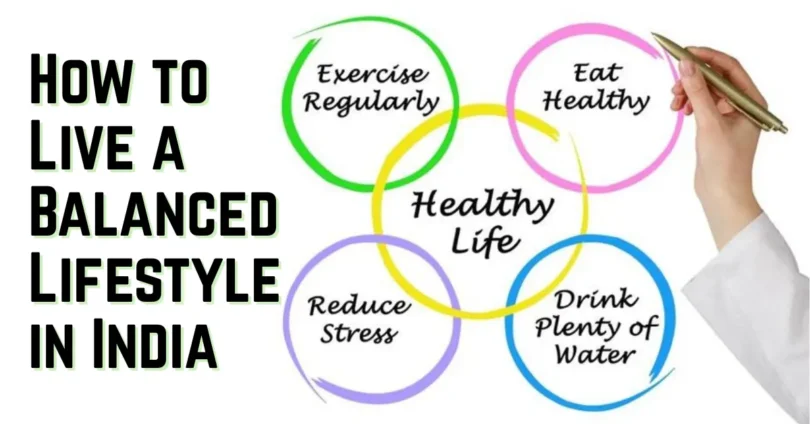
In today’s fast-paced world, living a balanced lifestyle can be a challenge, especially in a country like India. With the hustle of work, family responsibilities, and social commitments, it’s easy to feel overwhelmed. But, how to live a balanced lifestyle in India doesn’t have to be complicated. By making small changes to your daily routine, you can achieve a healthy mix of physical, mental, and emotional well-being.
In this article, we’ll explore practical ways to find balance in your life while living in India. From healthy eating habits to stress management techniques, how to live a balanced lifestyle in India involves making mindful choices that enhance your overall well-being. Let’s dive into simple, effective strategies that can help you lead a more balanced and fulfilling life.
Understanding a Balanced Lifestyle
A balanced lifestyle means finding a healthy mix of mental, physical, and emotional well-being. It’s about living in a way that helps you feel your best every day.
Physical Well-being
- Regular exercise helps keep your body healthy and strong.
- Eating nutritious foods fuels your body and boosts energy.
- Getting enough sleep allows your body to rest and recharge.
Mental Well-being
- Stress management techniques like mindfulness and meditation help calm the mind.
- Engaging in hobbies or creative activities improves focus and reduces anxiety.
- Taking breaks and disconnecting from technology helps keep your mind clear.
Emotional Well-being
- Connecting with loved ones and maintaining healthy relationships boosts happiness.
- Expressing your feelings in a healthy way reduces emotional stress.
- Practicing gratitude helps improve your outlook on life.
Importance of Balance in Daily Life
A balanced lifestyle plays a key role in how we feel and perform each day.
Improves Overall Health
- When all aspects of life are balanced, physical and mental health improve.
- Regular exercise and good nutrition help prevent illness and increase longevity.
Reduces Stress and Anxiety
- Taking time for self-care and relaxation helps manage stress levels.
- Balance prevents burnout, giving you more energy for work and personal life.
Enhances Productivity
- A balanced routine helps you stay focused and motivated.
- You’ll feel more energized, making it easier to complete tasks and reach goals.
Promotes Happiness
- A healthy balance leads to better emotional well-being and stronger relationships.
- Small positive changes every day can increase joy and satisfaction in life.
How to Live a Balanced Lifestyle in India: Focus on Physical Health
Physical health is the foundation of a balanced lifestyle. In India, we have access to a variety of nutritious foods and wellness practices that can help keep our bodies strong and healthy.
Eating a Balanced Diet with Local, Nutritious Foods
- Seasonal Fruits and Vegetables: Choose fresh, seasonal produce like mangoes, papayas, spinach, and carrots to boost immunity.
- Whole Grains: Include foods like rice, millet, and whole wheat to provide energy and maintain digestive health.
- Healthy Proteins: Incorporate dals, lentils, and pulses in your diet for plant-based protein.
- Hydration: Drink plenty of water, coconut water, or traditional drinks like buttermilk to stay hydrated in the hot climate.
Importance of Regular Exercise (Yoga, Walking, Cycling)
- Yoga: Practicing yoga regularly improves flexibility, strength, and mental clarity. It is also great for reducing stress and improving focus.
- Walking: A daily walk, whether in a park or around your neighborhood, boosts cardiovascular health and enhances mood.
- Cycling: Cycling is an excellent low-impact exercise that builds stamina and strengthens the legs. It also helps reduce carbon footprint when used as a mode of transport.
- Consistency: The key is to make exercise a daily habit, even if it’s just 20-30 minutes a day.
Incorporating Traditional Indian Wellness Practices (Ayurveda and Yoga)
- Ayurveda: This ancient system of medicine emphasizes the balance of the body’s energies (doshas). It suggests using natural herbs, spices like turmeric, ginger, and holy basil to improve health and immunity.
- Abhyanga (Oil Massage): Regular oil massage with warm sesame or coconut oil improves circulation, relaxes muscles, and nourishes the skin.
- Pranayama (Breathing Exercises): Breathing techniques help increase oxygen flow, reduce stress, and improve lung function.
- Mindful Living: Ayurvedic practices focus on balanced living by aligning with nature’s rhythms, like eating at proper times and following a daily routine.
How to Live a Balanced Lifestyle in India: Managing Mental Well-being
Mental well-being is crucial to living a balanced lifestyle. In India, where the pace of life can be overwhelming, managing stress and staying mentally healthy is key to feeling your best every day.
The Significance of Mindfulness and Meditation
- Mindfulness: Being present in the moment helps reduce anxiety and improve focus. Simple acts like mindful eating or walking can calm the mind.
- Meditation: Practicing meditation daily, even for just 10-15 minutes, helps clear your thoughts and enhances mental clarity.
- Improves Emotional Balance: Regular mindfulness helps manage emotions, reducing impulsive reactions and boosting self-awareness.
- Promotes Inner Peace: Meditation helps in building resilience, allowing you to stay calm during stressful situations.
Stress Management Techniques in the Fast-Paced Indian Lifestyle
- Deep Breathing: Breathing exercises like “4-7-8” can help relax your nervous system, especially during stressful moments.
- Taking Short Breaks: Taking quick breaks throughout the day helps recharge your energy and prevent burnout.
- Setting Priorities: Focus on what’s most important and don’t overload yourself with tasks. Saying no when necessary can relieve unnecessary stress.
- Engaging in Hobbies: Pursuing hobbies like reading, painting, or listening to music can help shift focus away from stress and bring joy.
Balancing Work and Personal Life
- Setting Boundaries: Clearly define work hours and personal time to avoid overworking. Turn off work notifications after hours to keep work stress from spilling into personal life.
- Time Management: Plan your day with clear priorities. Using tools like to-do lists or digital calendars can help organize tasks effectively.
- Quality Family Time: Make time for family, even in a busy schedule. Sharing meals or having short conversations with family members helps strengthen bonds.
- Self-Care: Dedicate time to yourself, whether it’s for relaxation, reading, or enjoying a hobby. This keeps you rejuvenated and helps maintain a healthy work-life balance.
How to Live a Balanced Lifestyle in India: Connecting with Nature
Connecting with nature plays a significant role in maintaining a balanced lifestyle. In India, where natural beauty is abundant, spending time outdoors can improve both mental and physical well-being.
Spending Time Outdoors (Parks, Beaches, Mountains)
- Parks and Gardens: Visiting local parks or botanical gardens gives you a break from the hustle and bustle of city life, allowing you to relax and recharge.
- Beaches: India’s coastal areas provide serene environments for stress relief. The sound of waves and fresh sea breeze can have a calming effect.
- Mountains: A trip to the hills or mountains not only offers breathtaking views but also allows for fresh air and physical activities like hiking, which promote overall health.
- Community Engagement: Many parks and outdoor spaces in India offer recreational activities, which allow you to connect with others while enjoying nature.
Benefits of Fresh Air, Nature Walks, and Environmental Awareness
- Improves Mental Clarity: Walking in nature helps clear your mind, reduce anxiety, and improve focus. The change of environment helps reset your thoughts.
- Boosts Physical Health: Fresh air and sunlight are crucial for vitamin D absorption, which is essential for bone health and immunity.
- Stress Reduction: Nature walks allow you to slow down, breathe deeply, and appreciate the moment, significantly lowering stress levels.
- Environmental Awareness: Spending time outdoors helps develop a connection with nature, encouraging you to care more about environmental issues like waste reduction and conservation.
How to Live a Balanced Lifestyle in India: Nurturing Relationships
Nurturing relationships is key to living a balanced lifestyle. In India, family and social bonds are at the heart of daily life, and maintaining strong connections contributes to both mental and emotional well-being.
Importance of Family and Social Connections in India
- Strong Family Bonds: In Indian culture, family is the cornerstone of support. Spending quality time with family members strengthens relationships and provides emotional security.
- Cultural Significance: Festivals, family gatherings, and traditions are central to Indian life. These occasions help maintain deep social ties and create lasting memories.
- Social Support System: Friendships and social networks play a vital role in offering emotional support, advice, and a sense of belonging.
- Community Engagement: Being involved in local community activities, whether through religious events or neighborhood gatherings, builds a sense of connection and belonging.
Managing Personal Time While Staying Connected with Loved Ones
- Setting Boundaries: Balance your time by setting clear boundaries between work, personal time, and family time. This ensures that you can give attention to both your career and loved ones.
- Quality Over Quantity: It’s not about how much time you spend, but the quality of that time. Focus on meaningful interactions, whether it’s a family dinner or a phone call with a friend.
- Regular Check-ins: Use technology to stay connected with loved ones, especially when distance is a factor. Simple texts, video calls, or social media messages can maintain strong relationships.
- Making Time for Yourself: While it’s important to nurture relationships, don’t forget to dedicate time for your own well-being. This balance allows you to be present and positive when connecting with others.
How to Live a Balanced Lifestyle in India: Managing Finances
Financial well-being is a crucial aspect of living a balanced lifestyle. Managing your finances effectively not only provides security but also reduces stress and allows for more freedom in daily life.
Financial Well-being as Part of a Balanced Lifestyle
- Peace of Mind: Managing your finances well reduces anxiety about unexpected expenses and future financial stability.
- Financial Freedom: Achieving financial stability gives you the flexibility to make choices that align with your values, like spending time with family or pursuing personal goals.
- Avoiding Debt: By keeping track of your finances, you avoid unnecessary debt, which can be a significant stressor in daily life.
- Wealth Building: Smart financial decisions like investing and saving can build wealth over time, creating long-term security.
Budgeting, Saving, and Smart Spending in Indian Context
- Creating a Budget: Track your income and expenses to create a budget. Include all essentials, such as housing, food, and utilities, while keeping room for savings.
- Emergency Fund: Build an emergency fund that can cover 3-6 months of living expenses. This gives you peace of mind in case of job loss or medical emergencies.
- Saving Regularly: Even small amounts saved regularly can add up over time. Prioritize saving for future goals like education, travel, or retirement.
- Smart Spending: In India, being mindful of spending can go a long way. Shop during sales, choose local products, and avoid impulse buying to save money.
- Investing Wisely: Consider traditional investment options like Public Provident Fund (PPF), National Savings Certificate (NSC), or mutual funds. These can provide long-term growth with minimal risk.
How to Live a Balanced Lifestyle in India: Incorporating Cultural Practices
Incorporating cultural practices into your daily life can help you connect with your roots, improve emotional well-being, and create a sense of belonging. In India, rich traditions and rituals contribute to a balanced lifestyle by fostering inner peace and community connections.
Engaging in Festivals, Rituals, and Local Traditions
- Celebrating Festivals: Festivals like Diwali, Holi, and Eid offer opportunities to spend time with family, share joy, and create lasting memories. Engaging in these celebrations strengthens social ties.
- Daily Rituals: Simple rituals like morning prayers, lighting lamps, or offering food to deities can provide a sense of purpose and calmness, grounding you each day.
- Traditional Foods: Participating in traditional cooking or enjoying festive meals connects you with your heritage and encourages mindful eating.
- Community Events: Local fairs, religious events, and cultural performances provide a chance to connect with your community, promoting togetherness and support.
Finding Balance Between Modern and Traditional Values
- Embracing Modernity without Losing Roots: While adapting to modern technologies and lifestyles, make space for traditional values like respect, family bonding, and community support.
- Time for Reflection: Set aside time for spiritual or reflective practices, such as meditation or prayer, to balance the fast-paced nature of modern life.
- Blending Old and New: Combine modern health practices like exercise with traditional ones like yoga or Ayurveda. This blend can enhance both your physical and mental well-being.
- Cultural Awareness: Educating yourself and others about cultural practices helps preserve traditions while allowing room for new perspectives and growth in today’s world.
Conclusion
Incorporating cultural practices into your daily routine is a great way to live a balanced lifestyle in India. By celebrating festivals, honoring rituals, and blending traditional values with modern life, you can find peace, strengthen relationships, and enhance your well-being.
Remember, balance comes from taking small, meaningful steps every day. Embrace your culture, stay connected, and enjoy the journey to a more fulfilling life.
FAQs: How to Live a Balanced Lifestyle in India
What does a balanced lifestyle mean in India?
A balanced lifestyle means taking care of your physical, mental, and emotional well-being. It involves eating healthy, staying active, managing stress, and nurturing relationships, all while connecting with your culture and traditions.
How can I manage stress in India’s busy lifestyle?
To manage stress, try incorporating mindfulness, meditation, or simple breathing exercises into your daily routine. Regular breaks, walking outdoors, and spending time with loved ones can also help reduce stress.
Why is family so important in a balanced lifestyle in India?
Family plays a central role in Indian culture. Spending time with family members provides emotional support, strengthens bonds, and promotes overall happiness, all of which are essential for a balanced life.
What cultural practices can help me live a balanced lifestyle?
Engaging in festivals, rituals, and traditions like prayer, yoga, and cooking traditional meals can bring peace and joy, while also helping you stay connected to your roots.
How can I balance work and personal life in India?
Set clear boundaries between work and personal time. Prioritize tasks, make time for family, and remember to relax and recharge to maintain a healthy work-life balance.
How can I stay healthy while living in India?
Eat a balanced diet, including local and seasonal foods. Incorporate regular exercise like yoga or walking, and practice traditional wellness techniques like Ayurveda for physical and mental well-being.
How do I blend modern values with traditional practices?
Embrace modern technologies and lifestyles while staying grounded in your cultural values. For example, use technology for work and learning, but also make time for traditional practices like yoga, prayer, and spending time with family.